The Art of Puzzle Design in the Witness: Minimalism, Exploration, and Discovery
- Oct 09, 2024
- 1163
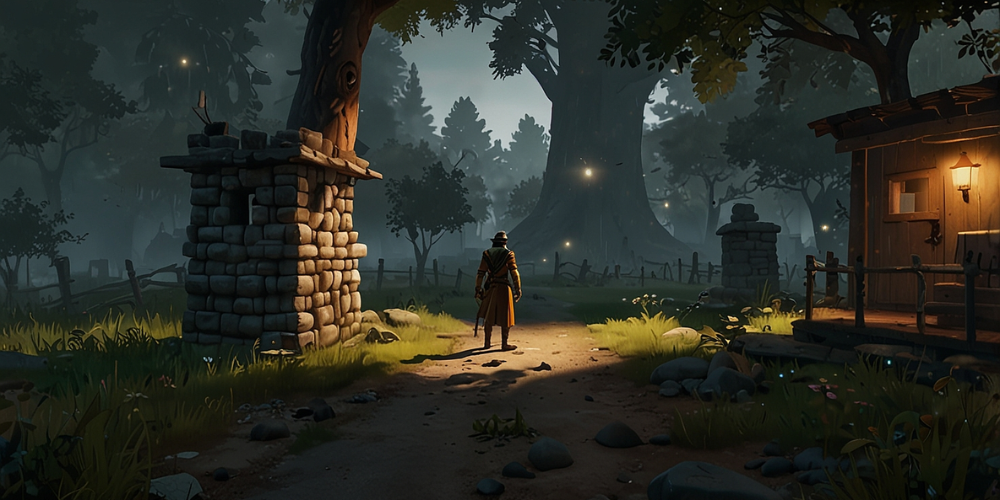
The Witness is a game that showcases the beauty and complexity of puzzle design. As I explored its vibrant, mysterious island, I was constantly amazed by the way the game used puzzles to teach, challenge, and reward the player. The Witness doesn’t hold your hand—it trusts you to figure things out on your own, and the sense of discovery that comes with solving its intricate puzzles is one of the most rewarding experiences I’ve had in gaming. For me, The Witness represents a masterclass in puzzle design, where every challenge feels thoughtful, purposeful, and connected to the world around it.
Minimalism and Elegance in Design
The minimalist design of The Witness was one of the first aspects that caught my attention. The game doesn’t clutter the screen with tutorials, objectives, or unnecessary dialogue. Rather, it offers a clear, open world where the puzzles are effortlessly woven into the surroundings. This minimalist approach allows the puzzles to take center stage, and the lack of distractions makes every solution feel earned. For me, the elegance of the game’s design created a sense of focus, allowing me to fully immerse myself in the process of puzzle-solving.
Environmental Puzzles and Learning Through Observation
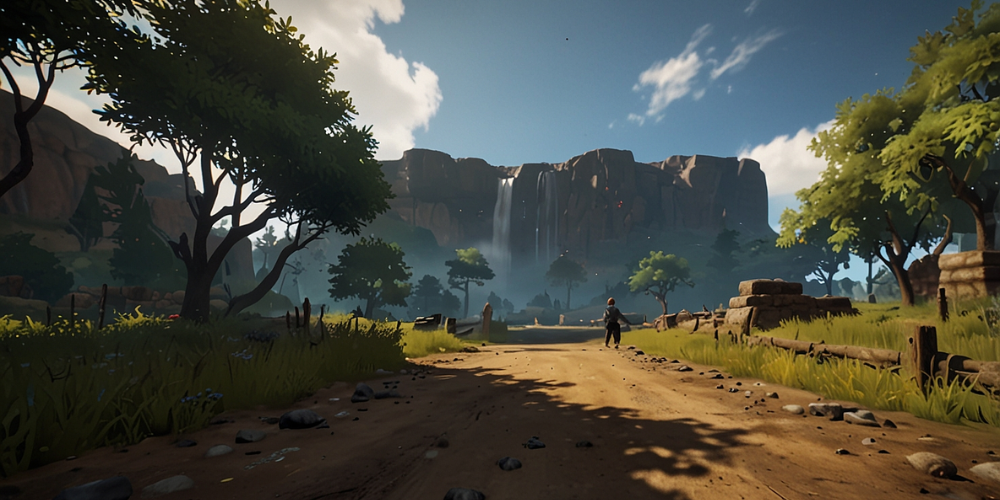
The puzzles in The Witness aren’t just isolated challenges—they’re deeply connected to the environment. As I explored the island, I realized that many of the puzzles were hidden in plain sight, using elements of the natural world as part of their solutions. Whether it was the reflection of the sun on the water or the branches of a tree forming a pattern, the game constantly encouraged me to observe my surroundings and think outside the box. This use of environmental puzzles created a sense of discovery and wonder as I learned to see the world in new ways.
The Gradual Increase in Complexity
One of the most impressive aspects of The Witness’s puzzle design is how it gradually increases in complexity. The game starts with simple line-drawing puzzles, but as I progressed, new mechanics and rules were introduced. Each puzzle built on what I had learned before, creating a natural progression that felt challenging but fair. The game’s ability to teach without explicitly telling made each solution feel satisfying, as I felt like I was truly mastering the mechanics on my own. For me, this gradual increase in complexity kept the puzzles engaging and rewarding throughout the entire game.
Non-Linear Exploration and Freedom
The Witness offers a non-linear exploration of its island, allowing me to tackle puzzles in any order I chose. This freedom gave me the ability to explore at my own pace, and if I ever got stuck on a particularly difficult puzzle, I could simply move on to another area and come back later. This non-linear approach added to the game’s sense of discovery, as I was never forced down a specific path. For me, this freedom of exploration was one of the game’s greatest strengths, as it allowed me to experience the world in my own way and solve puzzles in any order that felt natural.
The Use of Visual Language
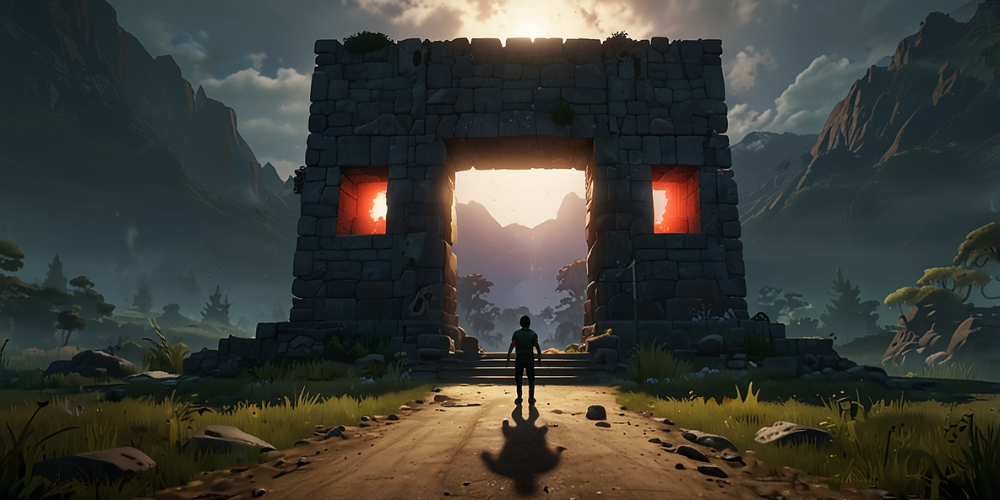
The Witness uses a unique visual language to communicate its puzzle mechanics. Rather than relying on text or dialogue, the game uses symbols, patterns, and colors to convey the rules of each puzzle. As I progressed through the game, I had to learn and interpret this visual language, which became increasingly complex as new symbols were introduced. This use of visual language made the puzzles feel like a form of communication between the game and the player, and deciphering this language was one of the most rewarding aspects of the experience.
Layered Puzzle Design
Many of the puzzles in The Witness have multiple layers of complexity, requiring me to think in new and creative ways to find the solution. Some puzzles were straightforward, while others involved manipulating the environment or using my knowledge of previous puzzles to uncover hidden solutions. The game's multifaceted design allowed multiple methods to tackle puzzles, and uncovering these layers contributed to a richer experience and enhanced replayability. For me, the layered puzzle design made The Witness feel like a constantly evolving challenge, where every new solution opened up new possibilities.
The Role of Patience and Perseverance
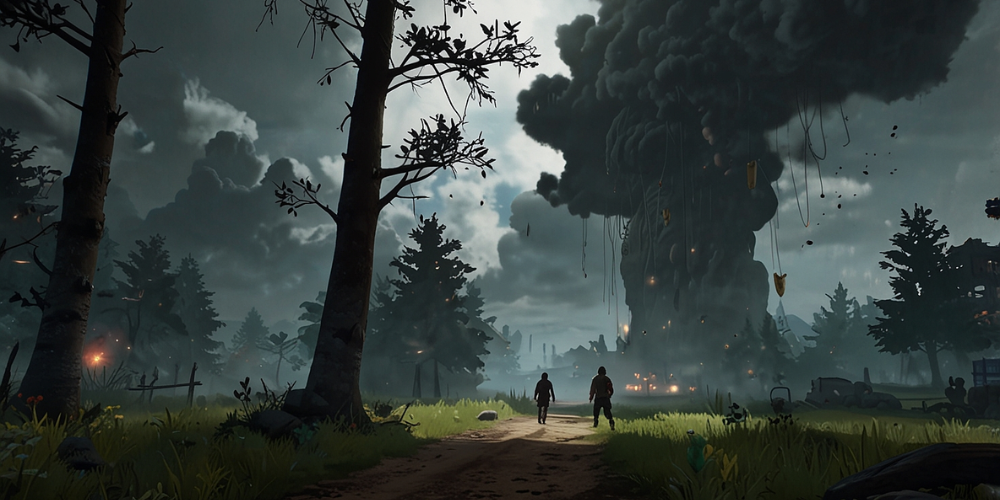
The Witness is a game that rewards patience and perseverance. Many of the puzzles are difficult, and there were times when I felt completely stuck. But the game’s design encouraged me to take my time, think critically, and experiment with different approaches. When I finally solved a challenging puzzle, the sense of accomplishment was immense. For me, the game’s emphasis on patience made each victory feel even more rewarding, as I knew that I had earned it through careful thought and persistence.
Integration of Story and Puzzles
While The Witness is primarily a puzzle game, it also weaves in elements of storytelling. The game’s narrative is subtle, delivered through environmental clues, audio recordings, and the puzzles themselves. The island feels like a living, breathing world, filled with mysteries and hidden meanings. As I progressed, I began to piece together the story, not through cutscenes or dialogue, but through the puzzles and the environment. The seamless blend of narrative and gameplay enriched the experience, transforming The Witness into more than a mere collection of puzzles—it became an exploratory voyage.
The Use of Perspective and Perception
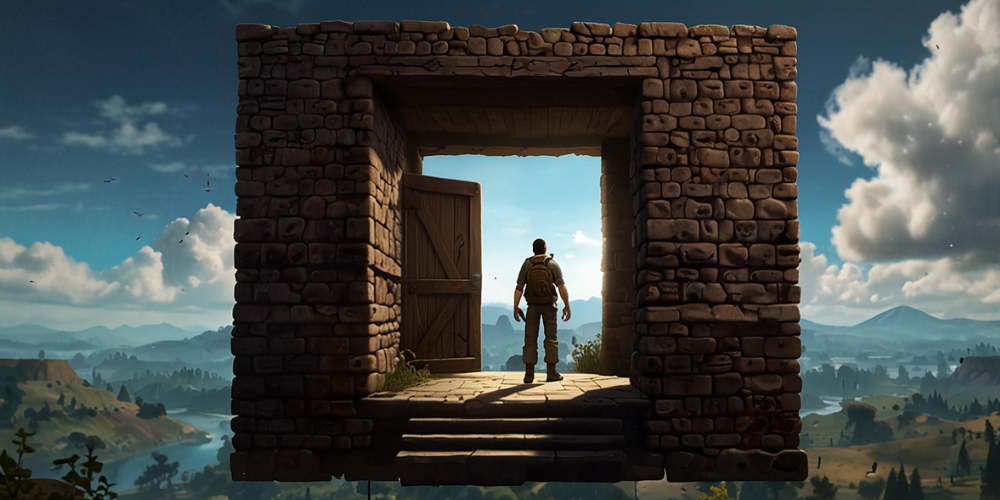
The Witness often plays with the player’s perception, using perspective to create puzzles that can only be solved by looking at the world in a specific way. Whether it’s aligning shapes in the environment or viewing a puzzle from a different angle, the game constantly challenged me to shift my perspective. This use of perception added a sense of creativity to the puzzle design, as I had to think beyond the obvious and consider how the world around me could be part of the solution. For me, these puzzles were some of the most satisfying, as they pushed me to see the game’s world in entirely new ways.
Impact on Puzzle Game Design
The Witness has had a lasting impact on the puzzle game genre, influencing other games with its minimalist design, environmental storytelling, and layered puzzle mechanics. Its ability to challenge players while also encouraging exploration and discovery set a new standard for puzzle design. For me, The Witness represents a turning point in the genre, showing that puzzles can be more than just isolated challenges—they can be integrated into the world and the story in meaningful ways. Its influence can be seen in many modern puzzle games that strive to balance challenge, exploration, and narrative.
The Legacy of The Witness
The Witness remains one of the most celebrated puzzle games of its generation. Its innovative design, challenging puzzles, and beautiful world have earned it a place among the best puzzle games ever made. To me, The Witness transcended the realm of a mere game; it was an immersive experience that prompted me to approach thinking from a fresh perspective and view the world with new eyes. Its legacy continues to inspire game designers and players alike, and its impact on the puzzle genre will be felt for years to come.